


Interventional Cardiology: What It Is and When You Need It
October 14, 2026 · 2 min read
Medically reviewed by the physicians of Gilead Heart & Vascular · Last reviewed: 2026-10-14
Interventional cardiology treats existing blockages in the heart and blood vessels using minimally invasive, catheter-based procedures, an alternative to open surgery for many patients.
What Interventional Cardiology Means
Interventional cardiology is the branch of heart care focused on treating existing blockages or structural problems in the heart and blood vessels, typically using minimally invasive, catheter-based procedures rather than open surgery. Where preventive cardiology works to stop problems before they start, interventional cardiology addresses issues that have already developed.
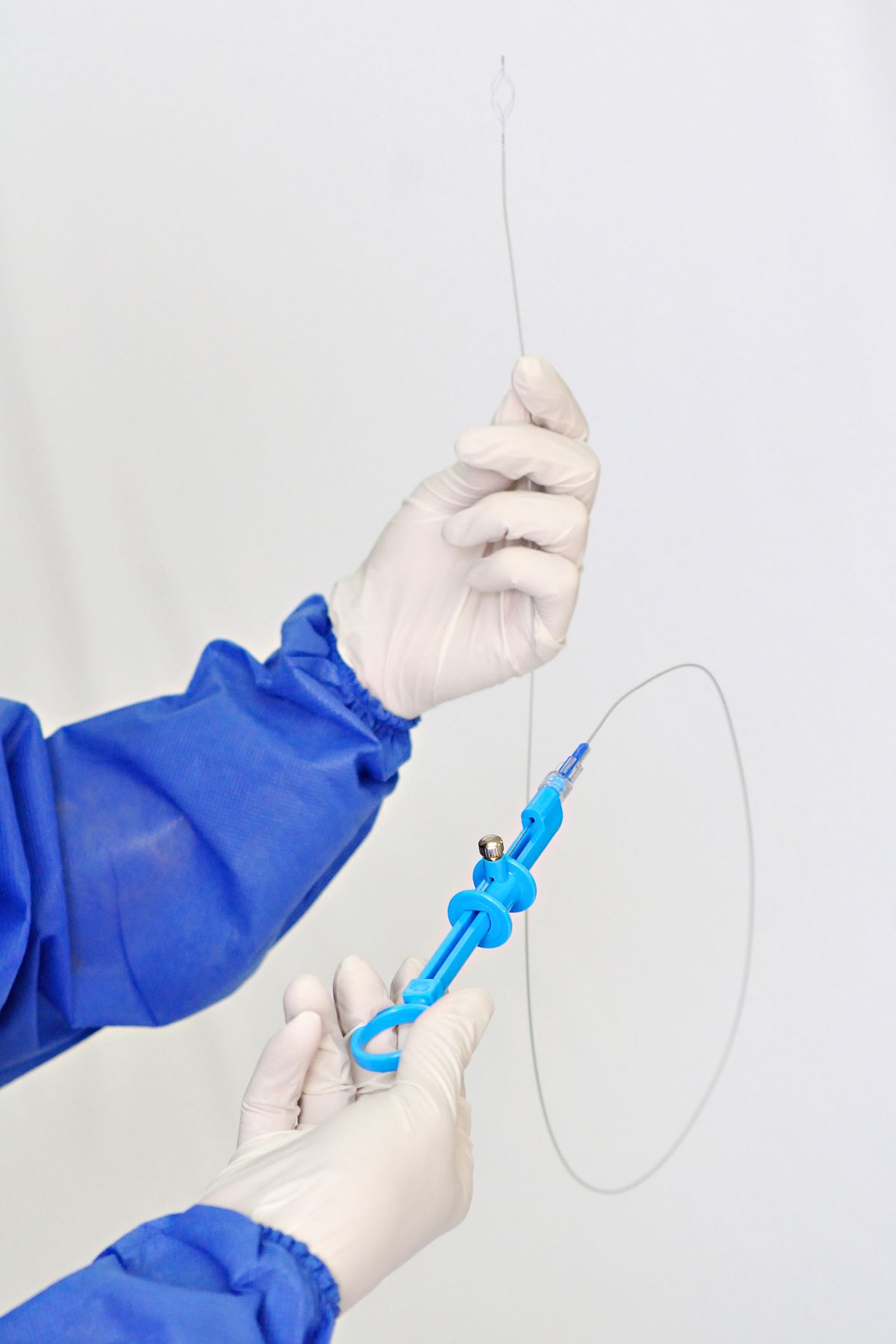
These procedures are performed through small incisions, most often in the wrist or groin, using thin tubes called catheters that are guided to the heart or blood vessels under imaging guidance. This approach typically means shorter recovery times compared to traditional surgery.
When Interventional Treatment Becomes Necessary
Interventional cardiology typically comes into play when diagnostic testing, such as a stress test, calcium score, or angiogram, reveals a significant blockage in one of the arteries supplying blood to the heart or to the legs. Symptoms like chest pain that occurs with exertion, or leg pain that limits walking, may prompt this kind of evaluation.
Not every blockage requires an interventional procedure. The decision depends on the severity and location of the blockage, your symptoms, and your overall cardiovascular risk. Our physicians walk through this decision with you rather than moving straight to a procedure.
What to Expect
If an interventional procedure is recommended, your physician will explain exactly what it involves, the risks and benefits, and what recovery typically looks like. Many patients go home the same day or after a short observation period, depending on the specific procedure.
After any interventional treatment, preventive care doesn't stop. Managing the underlying risk factors that contributed to the blockage, blood pressure, cholesterol, lifestyle, remains an important part of protecting your heart going forward.
Recovery: What Most Patients Experience
Recovery from a catheter-based interventional procedure is typically much shorter than open surgery. Many patients go home the same day or after an overnight observation, with a brief period of activity restriction, often just avoiding heavy lifting for a few days, rather than weeks of recovery. Your physician will give you specific guidance based on the exact procedure performed.
Frequently Asked Questions
What's the difference between interventional and preventive cardiology?
Preventive cardiology works to stop problems before they start; interventional cardiology treats blockages that have already developed.
Is an interventional procedure the same as open-heart surgery?
No. Most interventional procedures are done through small incisions using catheters, typically with a shorter recovery than open surgery.
Will I need an interventional procedure just because a blockage was found?
Not necessarily. The decision depends on the blockage's severity and location, your symptoms, and your overall risk, which your physician will walk through with you.
Related Reading
Want to be seen soon and skip the wait at a place close to home? Gilead Heart & Vascular's physicians evaluate and manage blockages that may require interventional treatment, coordinating your care every step of the way.
Have a question about your heart health?
Talk it through with your doctor at any Gilead Heart & Vascular location.